 By Lucas Elias
Chronic and acute pain affect millions of people every day, forcing many to seek alternatives to conventional pharmaceuticals. While prescription medications and over-the-counter pain relievers provide necessary relief for many, they often come with a risk of side effects, dependency, or diminished efficacy over time. This has led to a surge of interest in holistic, non-invasive therapies. Among the most enduring of these practices is acupressure, a traditional healing art that has been used for thousands of years to mitigate discomfort, lower stress, and restore balance to the body.
Understanding how acupressure works requires looking at both its historical foundation and modern physiological research. By bridging the gap between ancient Eastern philosophy and contemporary Western medicine, we can better appreciate how simple, targeted physical pressure can serve as a powerful tool for natural pain management.
The Foundations of Acupressure
Acupressure is rooted in Traditional Chinese Medicine, an ancient medical system based on the concept of vital energy known as Qi. According to this tradition, Qi flows through the body along specific pathways called meridians. When these pathways become blocked, stagnant, or imbalanced, physical illness and pain can manifest.
Acupressure uses the exact same anatomical points as acupuncture. However, instead of inserting fine needles into the skin, practitioners use their thumbs, fingers, palms, or specialized tools to apply firm, consistent pressure to these locations. By stimulating these specific coordinates, practitioners aim to clear blockages, encourage the smooth flow of energy, and trigger the body natural self-healing mechanisms.
The Modern Science of Pressure and Pain Relief
To understand why acupressure works from a Western medical perspective, researchers look to neurology, endocrinology, and myofascial anatomy. The physical application of pressure on acupoints produces several distinct physiological responses.
The Gate Control Theory of Pain
One of the primary explanations for acupressure efficacy is the Gate Control Theory of Pain. This neurological concept suggests that the spinal cord contains a gate that either allows or blocks pain signals from traveling to the brain. Non-painful physical stimulation, such as the firm pressure of a thumb on an acupressure point, travels along faster, larger nerve fibers than pain signals do. By filling the neural pathway with tactile signals, acupressure effectively closes the gate, preventing the slower pain signals from reaching the brain consciousness.
Endorphin Release
Physical stimulation of specific points triggers the central nervous system to release endorphins, which are the body natural pain relievers. Endorphins are neurotransmitters that interact with the opiate receptors in the brain to reduce the perception of pain. This response mimics the effects of low-dose analgesic medications without introducing synthetic chemicals into the system.
Improved Blood Circulation and Tissue Relaxation
Applying localized pressure induces vasodilation, which is the widening of blood vessels. This brings a fresh supply of oxygenated blood, nutrients, and immune cells to tight or injured tissues. Simultaneously, it helps flush out metabolic waste products, such as lactic acid, which accumulate in tense muscles and contribute to persistent soreness.
Common Acupressure Points for Pain Management
While there are hundreds of points across the human body, a select few are heavily studied and widely used for their broad-spectrum analgesic properties. Knowing where these points are and how to stimulate them allows individuals to incorporate acupressure into their daily self-care routines.
Large Intestine 4 for Headaches and Facial Pain
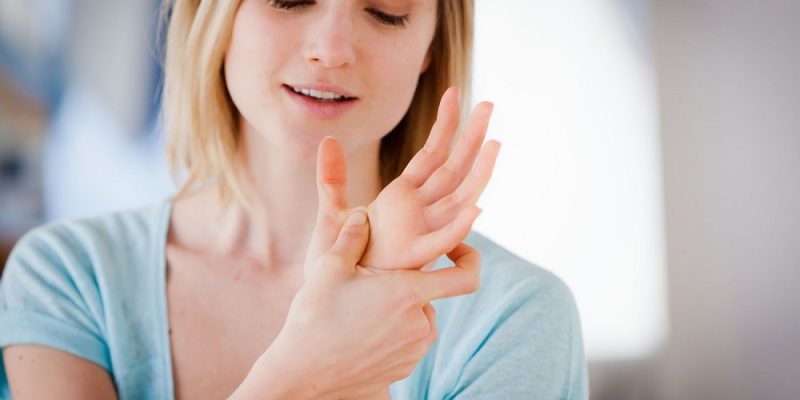
Located in the fleshy web between the thumb and index finger, Large Intestine 4 is arguably the most famous pain-relief point in traditional medicine. Stimulating this point is highly effective for reducing tension headaches, migraines, dental pain, and facial muscle stiffness. To activate it, pinch the web of your hand firmly with the opposite thumb and forefinger, rotating in small circles for several minutes.
Pericardium 6 for Nausea and Systemic Tension
Found on the inner wrist, approximately three finger-widths below the base of the palm between the two large tendons, Pericardium 6 is globally recognized for its ability to soothe nausea and motion sickness. Because it relaxes the autonomic nervous system, it also helps reduce the chest tightness and muscular tension associated with stress-induced pain.
Urinary Bladder 40 for Lower Back Discomfort
Positioned directly in the center of the crease at the back of the knee, Urinary Bladder 40 is a primary distal point used to manage lower back pain, sciatica, and hip stiffness. Because it can be awkward to apply pressure to one own knee crease while maintaining a relaxed posture, this point is often best addressed by a practitioner or with the help of a partner.
Liver 3 for Foot Pain and Emotional Stress
Situated on the top of the foot, in the depression between the big toe and the second toe, Liver 3 is a powerful point for lower extremity discomfort, cramps, and general physical stagnation. It is also highly regarded for its ability to calm an overactive nervous system, making it an excellent target for individuals whose pain is exacerbated by stress and anger.
Integrating Acupressure into a Pain Management Strategy
Acupressure is rarely used as a standalone cure for severe chronic conditions, but it excels as a complementary therapy. It can be easily integrated alongside physical therapy, chiropractic care, proper nutrition, and medical treatments.
To practice self-acupressure safely and effectively, consider the following protocol:
-
Find a comfortable, quiet space where you can sit or lie down comfortably.
-
Breathe deeply and steadily, allowing your abdomen to expand with each breath.
-
Apply firm, steady, and deep pressure to the chosen point. The sensation should be a mix of pressure and a slight ache, often described as a good hurt, but it should never cause sharp or intolerable pain.
-
Hold the point for one to three minutes while maintaining steady pressure or rubbing in a gentle, circular motion.
-
Slowly release the pressure and take a few more deep breaths before moving to the opposite side of the body, as most points are bilateral.
Safety and Precautions
Acupressure is incredibly safe when practiced with common sense, but certain precautions must be observed. Never apply deep pressure directly over open wounds, active infections, bruises, varicose veins, or fractures.
Furthermore, pregnant individuals must exercise extreme caution. Certain acupressure points, including Large Intestine 4 and Spleen 6, can stimulate uterine contractions and are strictly contraindicated during pregnancy unless managed by a licensed professional during labor induction. It is always wise to consult with a primary healthcare provider before starting any new wellness regimen, especially if you have an underlying chronic medical condition.
Frequently Asked Questions
How long does it take for acupressure to relieve pain?
The timeline for relief varies depending on the nature of the pain. For acute issues like a tension headache or mild nausea, individuals often experience a noticeable reduction in discomfort within five to ten minutes of consistent stimulation. For chronic conditions like lower back pain or arthritis, regular sessions over several weeks are typically required to experience sustained cumulative benefits.
Can acupressure replace prescription pain medications?
Acupressure should not be viewed as an immediate replacement for prescribed medical treatments. It is a complementary tool designed to support overall wellness and reduce reliance on low-level analgesics. Any changes to prescription medication routines must be discussed with and managed by your prescribing physician.
How often can I perform self-acupressure?
Self-acupressure can be performed safely multiple times a day. For chronic conditions, a routine of two to three sessions daily is common. Because the practice does not introduce foreign substances into the body, there is no risk of chemical overdose, though you should avoid over-stimulating a single area to prevent local skin irritation or bruising.
Is acupressure safe for elderly individuals?
Yes, acupressure is generally safe for older adults, provided the pressure is adjusted appropriately. Aging skin and tissues can be more delicate, so the practitioner or individual should use a gentler, more moderate touch rather than deep, intense pressure to achieve the desired neurological response without causing bruising.
What is the difference between acupressure and reflexology?
While both modalities involve applying pressure to specific points on the body, they are based on different mapping systems. Acupressure utilizes the entire meridian network spanning the whole body, focusing on specific points along these lines. Reflexology focuses primarily on mapping zones on the hands, feet, and ears that correspond to specific internal organs and bodily systems.
Why do some acupressure points feel tender or bruised when pressed?
Tendency or a dull ache at an acupressure site is completely normal and often indicates a high concentration of nerve endings or localized muscular tension. Traditional theory suggests this tenderness marks a spot where energy flow is congested. If the tenderness transitions into sharp, severe pain, reduce the intensity of the pressure immediately.
Do I need special tools to perform acupressure effectively?
Specialized tools are not required. Your fingers, knuckles, and thumbs are perfectly suited for locating and stimulating points. While some people enjoy using acupressure mats, rollers, or blunt massage pens to reduce finger fatigue, manual stimulation remains highly effective and fully customizable to your comfort level.