 By Lucas Elias
Staying active becomes increasingly important with age, yet many older adults are unsure what kind of exercise they actually need. Terms such as flexibility, mobility and strength are often used interchangeably, even though each refers to a different aspect of physical fitness. A well-rounded exercise program for seniors usually includes all three, because each supports everyday activities in its own way. Knowing how they differ can help older adults and their families choose activities that match their goals and abilities.
Flexibility
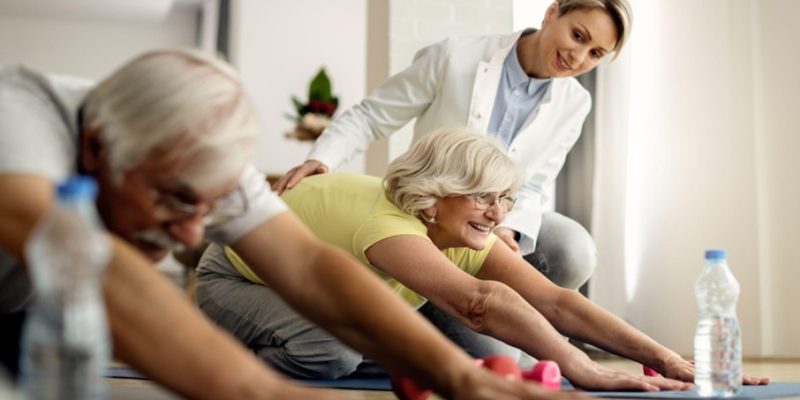
Flexibility refers to how far muscles and connective tissues can lengthen. It is often developed through stretching, where a position is held gently for a period of time.
Flexibility training typically involves:
- Static stretches for areas such as the hamstrings, calves, chest and shoulders.
- Holding each stretch for around 15 to 30 seconds without bouncing.
- Gentle, controlled breathing to help muscles relax.
- Activities such as stretching classes or gentle yoga.
Improved flexibility can make it easier to reach overhead, bend to tie shoelaces or turn to look over the shoulder, and may help reduce feelings of stiffness.
Mobility
Mobility describes how freely and comfortably a joint can move through its full range under the body’s own control. While flexibility focuses on muscle length, mobility combines flexibility with strength, coordination and joint health. A person may be flexible enough to reach a position with help but still lack the control to move into it independently.
Common elements of mobility work include:
- Controlled joint movements, such as ankle circles, shoulder rolls and hip rotations.
- Exercises that mimic daily tasks, such as turning the upper body or stepping sideways.
- Gentle movement through a comfortable range rather than holding positions.
- Gradually increasing the range of motion as comfort improves.
Regular mobility training for seniors can support everyday movements such as getting in and out of a car, climbing stairs and rising from a chair.
Strength
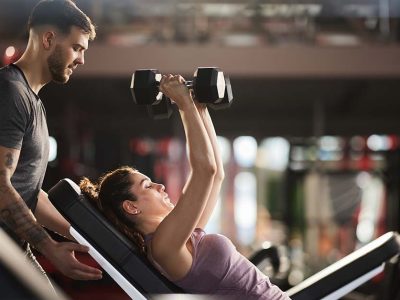
Strength training builds muscle power and endurance by working against resistance. Muscle mass tends to decline with age, which can make daily tasks more difficult and affect balance. Starting with light resistance helps reduce the risk of strain.
Strength training for older adults often includes:
- Bodyweight exercises such as chair squats, wall push-ups and heel raises.
- Light hand weights or resistance bands.
- Slow, controlled repetitions with good posture.
- Gradual increases in resistance as strength improves.
Stronger muscles can make it easier to carry groceries, climb stairs and maintain balance, and resistance exercise is also associated with better bone health.
Comparing the Three Types of Training
The table below summarises how these forms of exercise differ.
| Aspect | Flexibility | Mobility | Strength |
| Main focus | Muscle length | Controlled joint movement | Muscle power and endurance |
| Typical style | Holding stretches | Moving through a range of motion | Working against resistance |
| Common examples | Hamstring and chest stretches | Hip circles and torso rotations | Chair squats and band exercises |
| Daily benefit | Easier reaching and bending | Smoother everyday movements | Easier lifting and climbing |
Building a Routine That Covers All Three
These forms of exercise work best together. Strength provides the power to move, flexibility allows muscles to lengthen and mobility ties them together through controlled motion. Many routines begin with mobility exercises as a warm-up, move on to strength work and finish with gentle stretching. Balance exercises, such as standing on one leg near a chair, are also often added to support stability.
Older adults with existing health conditions, recent injuries or concerns about falls may benefit from speaking with a doctor or physiotherapist before starting, so exercises can be adapted where needed.
Moving Well for Longer
Each approach contributes something different, and none works fully on its own. Combining stretches, controlled movement and resistance work, at a pace that feels manageable, gives older adults the best chance of staying independent and comfortable in the activities they enjoy.
Looking for gentle ways to stay active? Reach out to Vigeo to sign up for our senior-friendly exercise classes.