 By Lucas Elias
The Importance of Starting with the Right Style
For many people in Singapore who are new to yoga, the first question is always the same: which style should I begin with? With so many forms available, ranging from fast-paced and intense to slow and meditative, it can be overwhelming to decide. Among all the choices, hatha yoga stands out as the most practical and beneficial foundation. It not only introduces the basics of posture, breath, and mindfulness but also builds the essential skills needed to progress into more specialised styles.
Understanding the Core Principles of Hatha Yoga
Hatha yoga focuses on uniting body, breath, and mind through simple yet effective postures and controlled breathing techniques. Unlike advanced or flow-based practices, its slower pace ensures beginners can grasp the fundamentals of alignment and awareness. This careful approach prevents injuries, fosters confidence, and creates a solid platform for exploring other yoga styles in the future.
Why Beginners Should Begin with Hatha Yoga
Starting with hatha yoga offers multiple advantages for newcomers to yoga practice.
Gentle Introduction to Asanas
Hatha yoga introduces foundational postures like Mountain Pose, Tree Pose, and Downward-Facing Dog in a step-by-step manner. This gradual learning process allows beginners to familiarise themselves with body movements without feeling overwhelmed.
Focus on Breathing Techniques
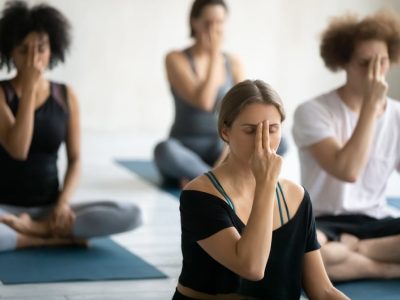
Breathing, or pranayama, is at the heart of all yoga practices. Hatha yoga teaches controlled breathing techniques that help regulate energy and calm the mind. These skills are crucial before advancing to faster-paced yoga forms that demand synchronisation between breath and movement.
Building Strength and Flexibility
Through consistent practice, hatha yoga improves muscle tone and flexibility. This physical readiness becomes a springboard for trying more demanding styles that require endurance and agility.
Mental Awareness and Mindfulness
By emphasising stillness and focus, hatha yoga trains practitioners to be present. This mental awareness is invaluable, as advanced yoga styles often require concentration to hold challenging postures or sequences.
How Hatha Yoga Prepares You for Other Styles
Hatha yoga is not an isolated practice but a preparatory stage that supports growth across various forms of yoga.
Transitioning to Vinyasa or Flow-Based Practices
Flow-based practices demand stamina and breath synchronisation. Hatha yoga lays the foundation by teaching alignment, transitions, and controlled breathing. This helps practitioners move into vinyasa sequences with confidence.
Supporting Ashtanga Practice
Ashtanga is physically demanding and structured. A beginner who first develops strength and balance through hatha yoga will find it easier to adapt to Ashtanga’s rigorous sequences without risking injuries.
Enhancing Restorative and Yin Practices
Even slower forms like restorative yoga or yin yoga benefit from hatha yoga training. The postural awareness gained in hatha practice ensures practitioners can settle into long holds with safety and mindfulness.
Preparing for Power and Hot Yoga
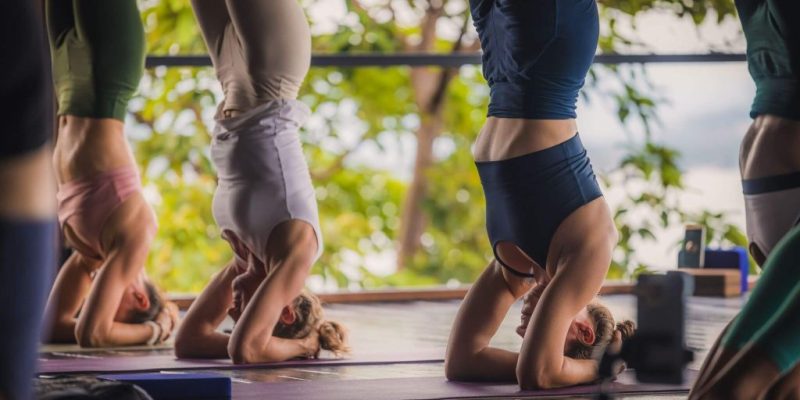
Dynamic or heated yoga classes can be overwhelming for beginners without a solid base. Hatha yoga ensures that posture, breathing, and endurance are already developed, making the transition smoother and more enjoyable.
Real-Life Benefits of Starting with Hatha Yoga
Many beginners in Singapore’s yoga community share similar experiences when starting with hatha yoga. They often highlight:
-
Increased Confidence: Clear instructions and simple sequences make it less intimidating.
-
Reduced Injuries: Learning proper alignment from the beginning prevents strain.
-
Sustainable Progress: Skills developed in hatha yoga translate seamlessly to other styles.
-
Balanced Approach: Unlike intense workouts, hatha yoga balances body and mind equally.
Common Beginner Challenges and How Hatha Yoga Helps
Beginners often face physical stiffness, lack of focus, and impatience when they first start yoga. Hatha yoga addresses these challenges directly.
-
Stiffness: Gentle stretches gradually open up tight muscles.
-
Focus Issues: Mindful breathing draws attention away from distractions.
-
Impatience: The slower pace encourages consistency and discipline rather than instant results.
The Role of Breath in Progression
Breath is the invisible thread that ties all yoga styles together. In hatha yoga, breathing exercises train the lungs to expand and regulate oxygen flow. For professionals, students, and retirees alike, this mastery of breath ensures smooth progression to practices where breath control is non-negotiable.
Creating a Long-Term Yoga Journey
For many, yoga is not just a hobby but a lifelong practice. Beginning with hatha yoga sets the right tone for a sustainable journey. It nurtures patience, builds resilience, and develops both physical and mental strength that stay with practitioners as they advance into different forms.
Practising with Guidance
While it is possible to practise hatha yoga at home, guidance from qualified instructors ensures safety and steady progress. Studios like Yoga Edition provide a structured environment where beginners can learn at their own pace while receiving corrections and motivation from experienced teachers.
FAQs About Hatha Yoga as a Foundation
Q. How long should I practise hatha yoga before moving to another style?
Most beginners benefit from at least three to six months of consistent practice before exploring other styles. However, readiness depends on individual progress.
Q. Can I combine hatha yoga with other forms right from the start?
Yes, but it is advisable to focus on hatha yoga initially to master the basics. Once comfortable, you can gradually introduce other styles.
Q. Is hatha yoga too slow for those who want fitness benefits?
Not at all. While slower in pace, hatha yoga builds strength, flexibility, and endurance. It provides a strong fitness base while preparing you for more dynamic practices.
Q. Does hatha yoga require any special equipment?
A simple yoga mat and comfortable clothing are sufficient. Props like blocks or straps can be added for support, especially for beginners.
Q. What if I find hatha yoga challenging even as a beginner?
Challenges are natural at the start. Consistency and guidance from instructors help overcome initial difficulties. Poses can always be modified to suit individual needs.